
Not Every Hill Is Meant to Be Charged
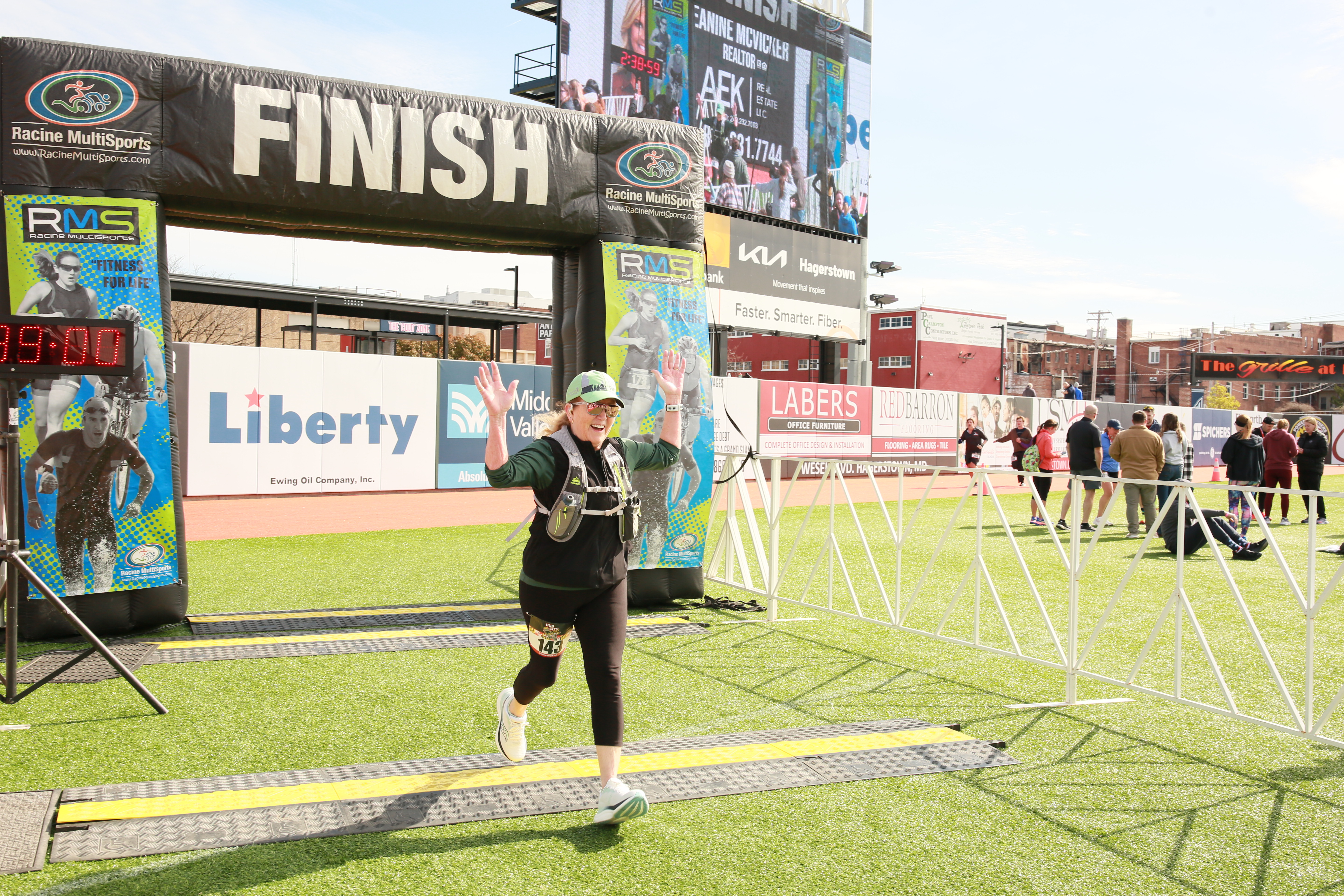
Last Sunday, I ran the Hub City Half Marathon and finished with my second-best time ever. What I’m most proud of isn’t just the result. It’s how steady the race felt from beginning to end.
My pace stayed consistent across all 13.1 miles, and that doesn’t happen by accident. It comes from preparation, discipline, and making thoughtful decisions along the way. I ran the first mile, then settled into a 1:00 run and 0:30 walk interval and stayed with it.
About halfway through the race, the course changed. Two long, challenging hills showed up, the kind that can throw off your rhythm if you’re not paying attention. I didn’t try to power through them. Instead, I walked them with purpose, then picked my pace right back up once I reached the top. That decision made all the difference.
It would have been easy to push harder in that moment, to try to prove something by charging the hill. But I’ve learned that pushing at the wrong time often costs you later. Adjusting your approach isn’t giving up. It’s staying in control. I stayed steady and kept moving forward with intention.
That experience stayed with me long after the race ended because it mirrors something I see every day in business, caregiving, and communication. We encounter a difficult conversation, a tense moment, or an unexpected challenge, and our instinct is often to push harder, speak faster, or resolve it immediately. We try to power through.
But not every hill is meant to be charged. Some are meant to be managed.
A difficult conversation can feel a lot like those hills. Emotions rise, tension builds, and the path forward isn’t as smooth as it was just moments before. When we charge ahead, words can come out too quickly, assumptions fill in the gaps, and the conversation starts to lose direction.
Managing the hill looks different. It might mean slowing the conversation down, asking a question instead of making a statement, or taking a breath before responding. Sometimes it means pausing and coming back to the conversation when both people are more grounded. Just like in the race, that short adjustment doesn’t mean you’ve lost momentum. It means you’re protecting it.
Another part of this experience stood out to me as well. Going into the race, I felt a little nervous. It was a smaller event, about 300 runners, and I had that quiet worry about being left out on the course. That didn’t happen. What did happen was a strong, steady race that reminded me I can trust my preparation and my judgment.
The same is true in our conversations. We often carry quiet worries into them. What if this goes poorly? What if I say the wrong thing? What if I make it worse? Those thoughts are normal. They deserve to be acknowledged, but they don’t need to take the lead.
When we stay grounded, pay attention to what’s actually happening in front of us, and respond with intention instead of urgency, conversations tend to unfold more productively. You don’t have to rush through every difficult moment or force your way through every hill. You can adjust, stay steady, and keep moving forward one thoughtful step at a time. More often than not, that’s what leads to better outcomes.